
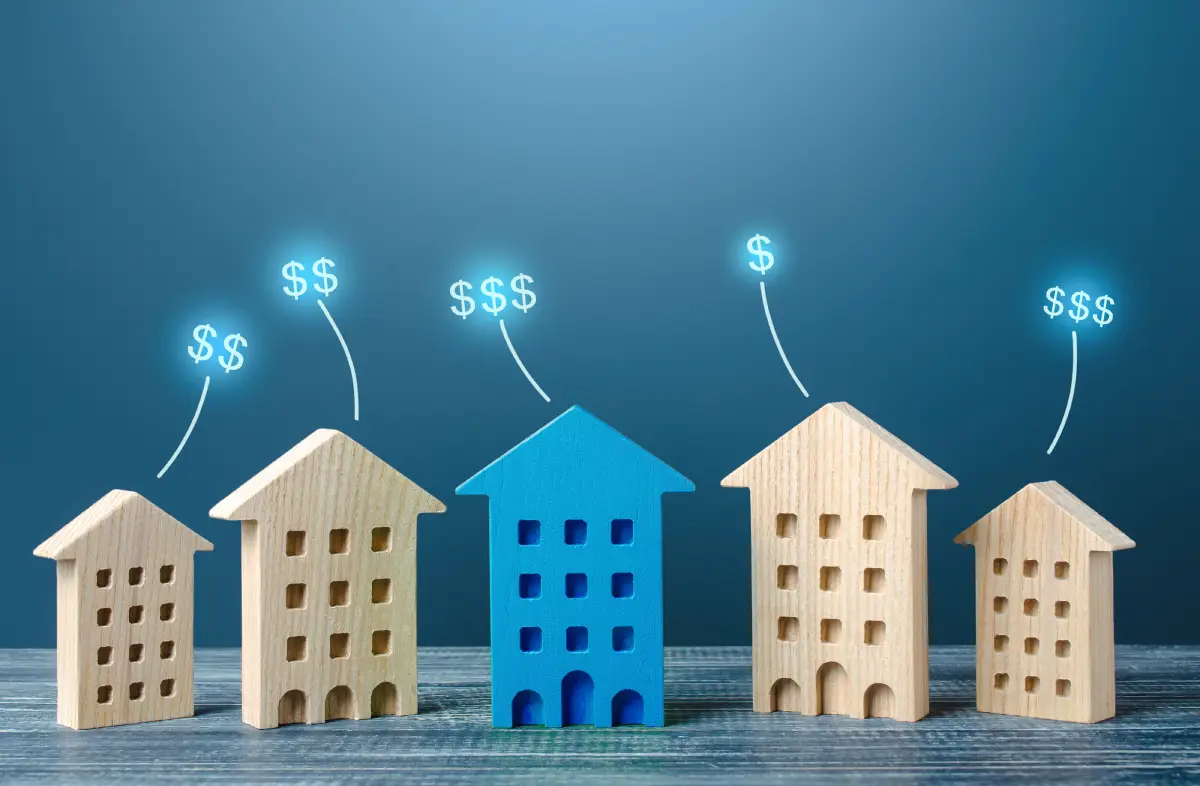
A rental property can remain occupied for years and still leave money on the table. Many Tampa landlords associate success with low vacancy rates and dependable tenants, which makes sense on the surface. However, occupancy alone doesn't tell the whole story.
As rental markets evolve, small operational decisions can influence long-term profitability. Rent pricing that falls behind the market, postponed maintenance, aging property features, and inconsistent lease enforcement can gradually affect income without creating obvious warning signs.
Owners who regularly evaluate performance are often better positioned to protect their investments and improve financial results. For many landlords, reviewing modern rent collection practices is one of the first steps toward gaining better visibility into monthly cash flow.
Key Takeaways
- Strong occupancy doesn't always indicate maximum rental performance.
- Below-market rent can reduce earnings over multiple lease terms.
- Routine inspections help identify maintenance issues before costs escalate.
- Property updates can improve competitiveness in Tampa's rental market.
- Consistent operational standards support long-term profitability.
Looking Beyond Occupancy Rates
A property that stays leased year after year can appear to be operating at peak efficiency. While tenant retention is valuable, it should not be the only measure of success.
Rental performance depends on several factors working together. Income, expenses, maintenance, tenant satisfaction, and market positioning all influence profitability.
Tampa continues attracting new residents and investment activity, creating ongoing changes within the local housing market. What was considered competitive pricing a few years ago may no longer reflect current conditions.
Many owners benefit from conducting a local rental value review to determine whether their property remains aligned with market expectations.
When Rental Pricing Stops Keeping Pace
One of the most common challenges property owners face is maintaining appropriate rental pricing.
Reliable tenants often encourage landlords to delay rent increases because stability feels more valuable than pursuing additional income. While this approach may seem beneficial in the short term, it can affect profitability over time.
Small Pricing Gaps Have Long-Term Consequences
A difference of only $75 to $150 per month can result in thousands of dollars of unrealized income over several years.
As ownership expenses increase, maintaining outdated rental rates becomes even more challenging.
Rising Costs Continue Regardless
Property ownership expenses often include:
- Insurance premiums
- Property taxes
- Maintenance services
- Vendor costs
- Repair expenses
Developing a stronger financial plan through smart budgeting strategies can help owners evaluate expenses and adjust pricing more effectively.
Gradual Adjustments Often Work Best
Smaller annual increases are frequently easier for residents to accept than substantial increases after years without changes. Consistent reviews help keep pricing aligned with market conditions.
Maintenance Issues Rarely Stay Small
Long-term residents don't always report problems immediately.
Some renters assume a concern is minor. Others simply adapt to small inconveniences and continue living with them until the issue becomes more serious.
This delay can increase repair costs and affect property condition.
Plumbing Problems Can Escalate Quickly
A small leak may initially seem harmless. Over time, however, moisture can damage flooring, walls, cabinets, and structural components.
HVAC Systems Show Early Warning Signs
Heating and cooling systems often lose efficiency gradually. Addressing issues early can extend equipment life and prevent more expensive repairs.
Property owners who maintain organized records through accurate accounting practices often find it easier to identify recurring maintenance patterns and monitor repair expenses.
Appliance Performance Declines Over Time
Many appliances provide warning signs before failure. Routine inspections help identify aging equipment before it disrupts a tenant's living experience.
Why Delayed Improvements Can Affect Rental Appeal
Long-term occupancy sometimes leads owners to postpone upgrades because the property remains occupied.
However, rental competition doesn't stop simply because a resident renews a lease.
Properties throughout Tampa continue evolving to meet changing renter expectations.
According to research showing that 32% of customers stop doing business with a company after a poor experience, expectations remain high across industries. Housing providers face similar pressures as renters compare available options more carefully.
Areas Often Left Unchanged
Common improvements that owners postpone include:
- Flooring replacements
- Appliance upgrades
- Lighting enhancements
- Energy-efficient features
Market Expectations Continue Advancing
Renters increasingly value comfort, functionality, and convenience. Strategic improvements help properties remain competitive and support stronger rental rates.
Familiarity Can Lead to Inconsistent Standards
Positive landlord-tenant relationships create a better rental experience. However, professional boundaries remain important regardless of how long someone has lived in the property.
Over time, owners may become more flexible with lease requirements because they trust long-term residents.
This can create challenges when policies are enforced inconsistently.
Late payments, unauthorized occupants, and unapproved pets often begin as isolated exceptions. When left unaddressed, these issues can become recurring concerns that affect both property condition and cash flow.
Understanding owner disbursement practices can also help landlords maintain clearer visibility into financial performance and operational trends.
Consistent Oversight Supports Better Results
Successful rental ownership relies on objective evaluation rather than assumptions.
Regular reviews help identify opportunities to improve pricing, monitor maintenance, evaluate expenses, and strengthen operational processes.
Clear financial reporting is especially valuable because it provides insight into where money is earned and spent.
Research from the American Customer Satisfaction Index found lodging providers scored 81 out of 100 for in-room amenities, demonstrating how property condition influences customer perceptions. Residential renters often evaluate housing through a similar lens.
Many owners use professional property accounting services to gain clearer insight into performance metrics and long-term financial trends.
Access to dedicated property owner resources can also help landlords stay informed about reporting, budgeting, and operational best practices.
FAQs about Hidden Rental Revenue Loss in Tampa, FL
Can outdated property features influence rental income even when tenants renew their leases?
Yes. Residents may remain because moving is expensive or inconvenient, but outdated features can limit future rent increases. Over time, competing rentals with modern amenities may attract stronger applicants and support higher rental rates.
What financial records should landlords monitor throughout the year?
Tracking maintenance expenses, vacancy costs, rent collections, vendor payments, and operating expenses helps owners identify trends that affect profitability. Consistent recordkeeping also supports better budgeting and more informed investment decisions.
How can deferred maintenance affect a property's market value?
Small repairs that remain unresolved can gradually contribute to larger structural or cosmetic issues. Buyers and appraisers often consider property condition carefully, making deferred maintenance a factor that can influence overall valuation.
Why is comparing a rental property to nearby listings important?
Market comparisons help owners understand how their property performs against competing rentals. Reviewing pricing, amenities, and property condition can reveal opportunities to improve competitiveness and attract qualified residents.
What role does cash flow consistency play in long-term rental success?
Predictable cash flow helps owners manage expenses, prepare for repairs, and reduce financial stress during unexpected situations. Properties with stable income streams are often easier to maintain and position for sustained growth.
Protecting What Your Rental Property Earns
Rental income often slips away through a series of small decisions rather than one major event. Delayed rent adjustments, overlooked maintenance concerns, postponed upgrades, and inconsistent lease enforcement can all affect long-term returns.
At PMI MetroBay, we help Tampa property owners evaluate performance, improve operational consistency, and keep investments positioned for lasting success. Our structured approach supports stronger financial outcomes while helping owners stay informed about their property's condition and performance.
If you're ready to improve payment reliability and streamline monthly cash flow, accelerate dependable rent collection with solutions designed to support Tampa rental properties.
