
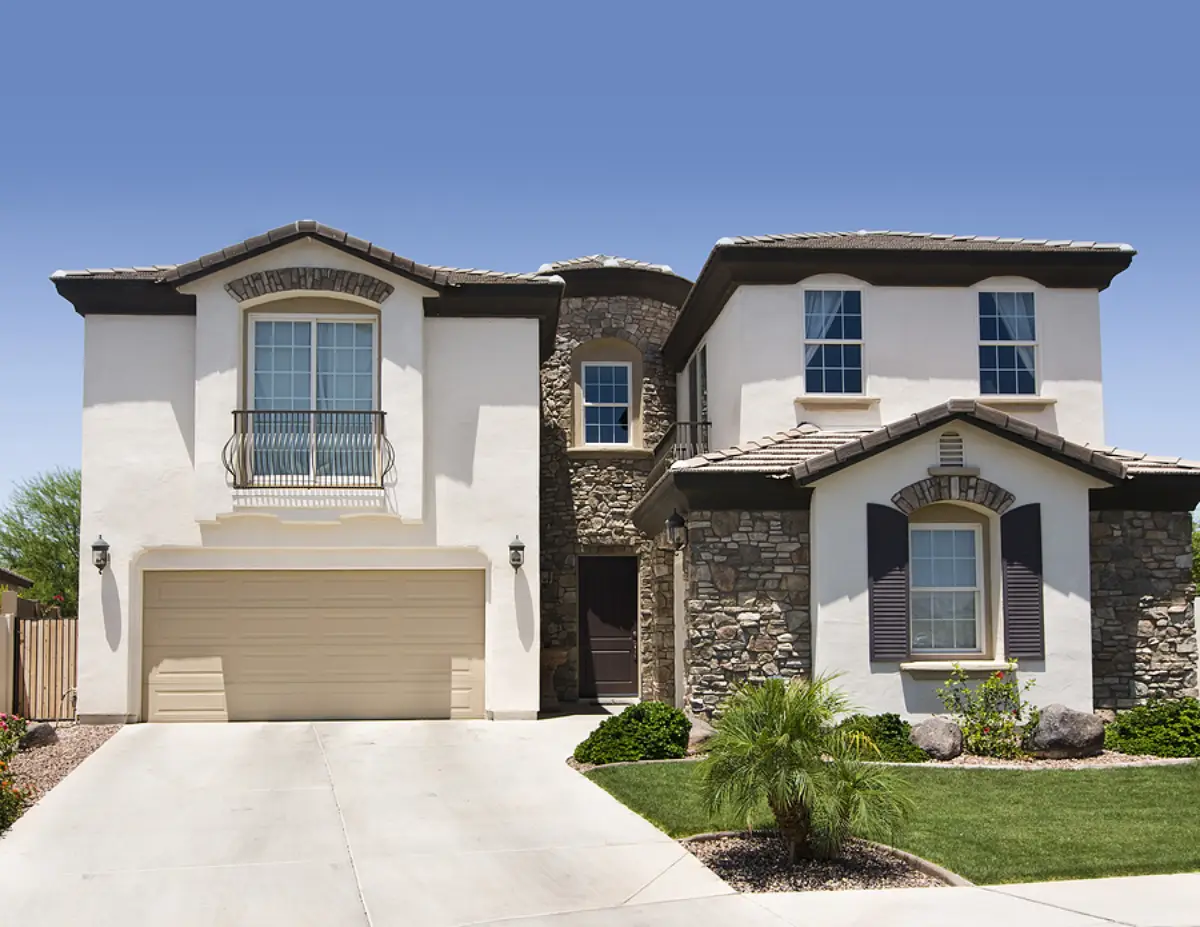
Over time, patterns start to surface in how different rentals behave. Some properties consistently demand hands-on attention, while others allow owners to plan ahead without constant interruptions. For Tampa landlords, that difference often becomes clearer after working through guidance found in a practical investor fundamentals guide that challenges common assumptions about what sustainable residential ownership actually requires. The deciding factor is rarely effort alone. Structure usually plays the larger role.
Nationwide housing data continues to highlight a strong preference for space and autonomy, with values climbing to $426,800 in the third quarter of 2025. Those preferences show up locally in how renters choose homes, how long they stay, and how predictable day-to-day management feels once a lease is active.
The sections ahead take a closer look at why Single-Family Homes tend to support calmer operations in Tampa and how that structure helps residential owners maintain consistency without overcomplicating their strategy.
Key Takeaways
- Single-Family Homes reduce overlap that often triggers recurring tenant issues.
- Outdoor space and adaptable layouts support longer tenancies.
- Pricing stays steadier without identical units competing side by side.
- Maintenance planning is simpler when systems serve one household.
- Gradual portfolio growth aligns well with residential ownership goals.
Privacy That Reduces Daily Friction
Privacy does more than enhance comfort. It shapes how often problems surface and how involved each resolution becomes.
Fewer shared pressure points
Multifamily properties concentrate people, systems, and routines into one footprint. Shared walls, parking areas, and entrances allow minor inconveniences to snowball into repeated concerns.
Single-Family Homes remove much of that overlap. One household per property creates clearer boundaries and fewer situations that require mediation. For owners, that often means fewer interruptions and steadier weeks.
A cleaner management focus
Without common areas or shared amenities, oversight stays centered on the home itself. That clarity allows residential owners to concentrate on condition, leasing, and long-term performance rather than community-style rule enforcement.
Outdoor Space That Encourages Tenants to Stay
Outdoor features often decide whether tenants view a rental as temporary or somewhere they can settle.
Everyday usefulness
Private yards, patios, and driveways give tenants room to relax, entertain, or manage daily routines without shared restrictions. These features help rentals feel more permanent, even within standard lease terms.
In Tampa, that flexibility appeals to households balancing pets, hobbies, and remote work arrangements.
Broader appeal without added complexity
Pet-friendly policies are easier to support when outdoor access exists. A yard can reduce common complaints tied to shared corridors while widening the pool of qualified applicants.
When thinking about future purchases, awareness of Tampa growth areas can help align outdoor features with neighborhoods showing sustained demand.
Layouts That Adjust as Life Changes
Floor plan flexibility plays a quiet but meaningful role in tenant retention.
Rooms that shift roles
Extra bedrooms, garages, and defined living areas allow tenants to adapt as needs change. A spare room can move from guest space to home office or storage without forcing a relocation.
That adaptability reduces turnover pressure and benefits owners through fewer vacancy gaps.
Continuity that protects income
Each renewal avoids marketing costs, preparation expenses, and downtime. Over time, flexible layouts support steadier cash flow and reduce operational strain tied to frequent move-outs.
Pricing Confidence Without Unit-to-Unit Competition
Pricing behaves differently when rentals do not compete side by side.
Multifamily pricing pressure
In apartment settings, similar units often enter the market together. A single vacancy can trigger pricing shifts across multiple listings, limiting flexibility.
Detached homes stand independently
Single-Family Homes compete based on neighborhood appeal, condition, and features rather than direct unit comparison. Owners can price based on true positioning without worrying about undercutting identical units.
National data reinforces this advantage, with reports showing single-family rents running 20% higher than multifamily rents, reflecting renter demand for space and privacy.
If pricing feels uncertain, insights from a practical market pricing breakdown can help anchor expectations in local realities.
Maintenance That Stays Predictable
Maintenance is often where property structure makes the biggest difference.
Isolated systems simplify planning
In a Single-Family Home, plumbing, HVAC, and electrical systems serve one household. Repairs stay contained, scheduling is simpler, and costs are easier to forecast.
Fewer ripple effects
Shared systems can turn one issue into several. Detached properties avoid that chain reaction, keeping maintenance responses focused and manageable.
Owners looking to reduce long-term expenses often benefit from applying ideas found in eco-smart upgrades, which align efficiency improvements with predictable upkeep.
Financial Flow and Disbursements With Clearer Lines
Cash flow clarity plays a major role in stress-free ownership.
Easier income tracking
With one household per property, rent collection and expense tracking stay more straightforward. This simplicity supports cleaner financial reporting and easier reconciliation.
Understanding payout timing
Clear expectations around when and how funds move matter. Guidance around owner disbursement timing helps residential owners align budgeting with actual cash flow patterns.
Scaling Without Overloading Your System
Growth feels very different depending on asset structure.
Step-by-step expansion
Detached properties allow owners to add homes gradually, adjusting reserves and workflows as the portfolio grows. This approach reduces pressure and preserves oversight.
Residential systems built for consistency
At PMI MetroBay, we work exclusively with residential rentals. Our processes, vendor coordination, and leasing systems are designed around Single-Family Homes in Tampa, helping owners scale without unnecessary complexity.
FAQs about Single-Family Homes in Tampa, FL
How do Single-Family Homes impact day-to-day tenant responsibility in Tampa, FL?
Renters in single-family homes often take on more responsibility for their living space, which can lead to clearer expectations around upkeep, use of outdoor areas, and overall care during the lease term.
What role do Single-Family Homes play in attracting repeat tenants in Tampa?
These homes often appeal to renters who prefer stability, making them more likely to renew when relocating within Tampa rather than switching to apartments or shared housing options.
Are Single-Family Homes easier to reposition after a tenant moves out in Tampa, FL?
Yes. Owners can update pricing, features, or marketing for a single property without coordinating changes across multiple units, allowing faster adjustments between leases.
How do Single-Family Homes affect long-term maintenance planning in Tampa?
Maintenance planning often centers on individual systems and property age, which helps owners anticipate capital needs more accurately without factoring in shared infrastructure.
Can Single-Family Homes support mixed-use rental strategies in Tampa, FL?
They can. Owners often find it easier to adjust lease lengths, target different renter profiles, or update amenities since each home operates independently within the portfolio.
Setting Up Rentals That Don’t Run You
A well-built rental strategy in Tampa should feel supportive, not demanding. Single-Family Homes tend to earn their place over time by staying easier to oversee as priorities shift and portfolios expand. When daily decisions stay manageable, owners gain space to think ahead instead of reacting to the next issue.
At PMI MetroBay, we focus exclusively on residential properties and the systems that keep them running smoothly. From organizing cash flow to coordinating maintenance and leasing, we help turn consistency into momentum. Build a more resilient rental plan by working with us through our ownership support portal and move forward with guidance shaped for Tampa’s residential market.
